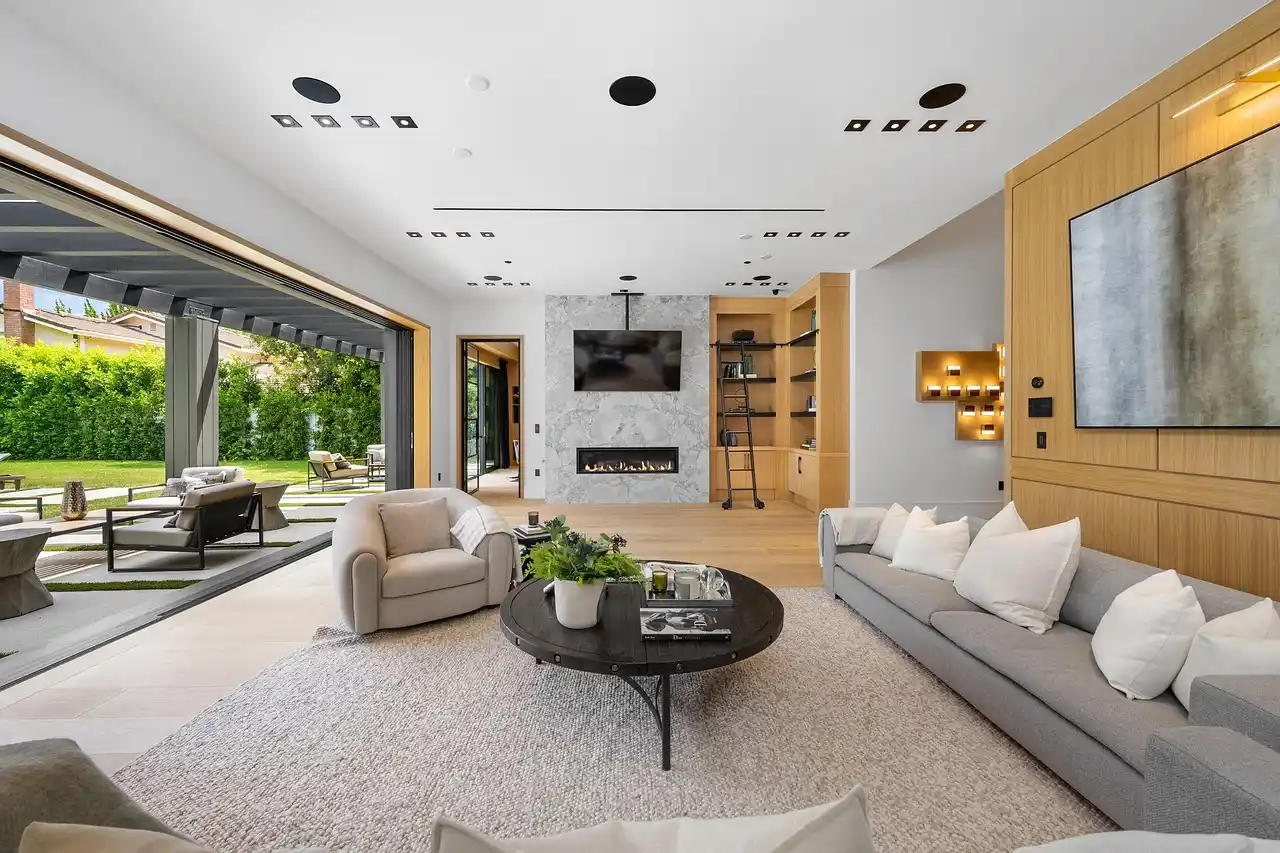
Finding the right contractor for home window tinting near me can feel daunting. This guide helps you evaluate options, verify expertise, and choose a window film that meets your climate, privacy, and budget goals. By focusing on experience, credible references, and warranties—key elements of EEAT (Experience, Expertise, Authority, Trust)—you can hire a local professional you can rely on.
Why tint your home windows?
Window tinting offers multiple benefits: UV protection that blocks up to 99 percent of harmful rays, heat reduction to keep rooms cooler, glare control for TVs and laptops, and improved privacy without sacrificing natural light. Quality film can also help protect interior furnishings from fading and provide shatter resistance for safety.
- UV protection
- Heat reduction
- Glare reduction
- Privacy
- Shatter resistance
How to find a reputable local tinting service
Start with a local search for home window tinting near me, then vet candidates based on licensing, insurance, and customer reviews. Ask for on site demonstrations or film samples, confirm warranty terms, and request written estimates that detail film type, surface prep, installation time, and disposal of old film. Verified installers often provide a digital or physical certificate of service that attests to film quality and professional technique.
Types of home window tint for residences
Dyed window film
Dyed films are an economical option that provides color and some privacy. They absorb heat rather than reflect it and can fade over time in harsh sunlight.
Metalized film
Metalized films reflect infrared heat and offer strong daytime privacy. They may interfere with electronics and can look metallic from the outside.
Ceramic film
Ceramic films block UV and infrared energy effectively while remaining optically clear and non reflective. They are pricier but offer excellent long term performance and durability.
Carbon and hybrid films
Carbon films reduce heat and glare and resist fading. Hybrid options combine ceramic and dye advantages, balancing cost and performance.
Comparison of tint types
| Type | UV Rejection | Heat Reduction | Visible Light Transmission | Privacy | Durability | Approx. Cost |
|---|---|---|---|---|---|---|
| Dyed | Good | Moderate | Moderate-High | Low-Moderate | Low | Low |
| Metalized | Excellent | High | Low-Moderate | High | Moderate | Medium |
| Ceramic | Excellent | Excellent | High | Low | High | High |
| Carbon | Excellent | Excellent | High | Moderate | High | Medium-High |
| Hybrid | Very Good | Very Good | High | Moderate | High | Medium |
Installation process and aftercare
Before installation, the technician will measure windows, remove old film if needed, and clean the glass. The tint is cut to size and applied with a squeegee to remove air and moisture. After installation, allow the film to cure according to the manufacturer’s guidelines, avoid cleaning for a few days, and use a soft, non abrasive cleaner on the film. Regular cleaning helps maintain clarity and extends film life.
Costs, warranties, and maintenance
Home window tinting near me costs vary by film type and window size but typically ranges from 5 to 15 per square foot, including labor. Ceramic and carbon films command premium prices but offer superior performance and longer warranties, often 10 to 25 years. Look for a product warranty and workmanship guarantee, and ask about fade resistance and warranty transferability when you sell the home.
Maintenance is straightforward: use a mild, non ammonia cleaner, soft cloths, and avoid abrasive pads. If you notice peeling, bubbling, or reduced adhesion, contact the installer promptly for inspection under warranty terms.
Summary: When choosing the right film, balance cost with long term performance, consider local climate, and verify credentials. A trusted local provider who offers samples, clear written estimates, and a lasting warranty helps ensure a durable, compliant, and aesthetically pleasing result for your home window tinting near me.