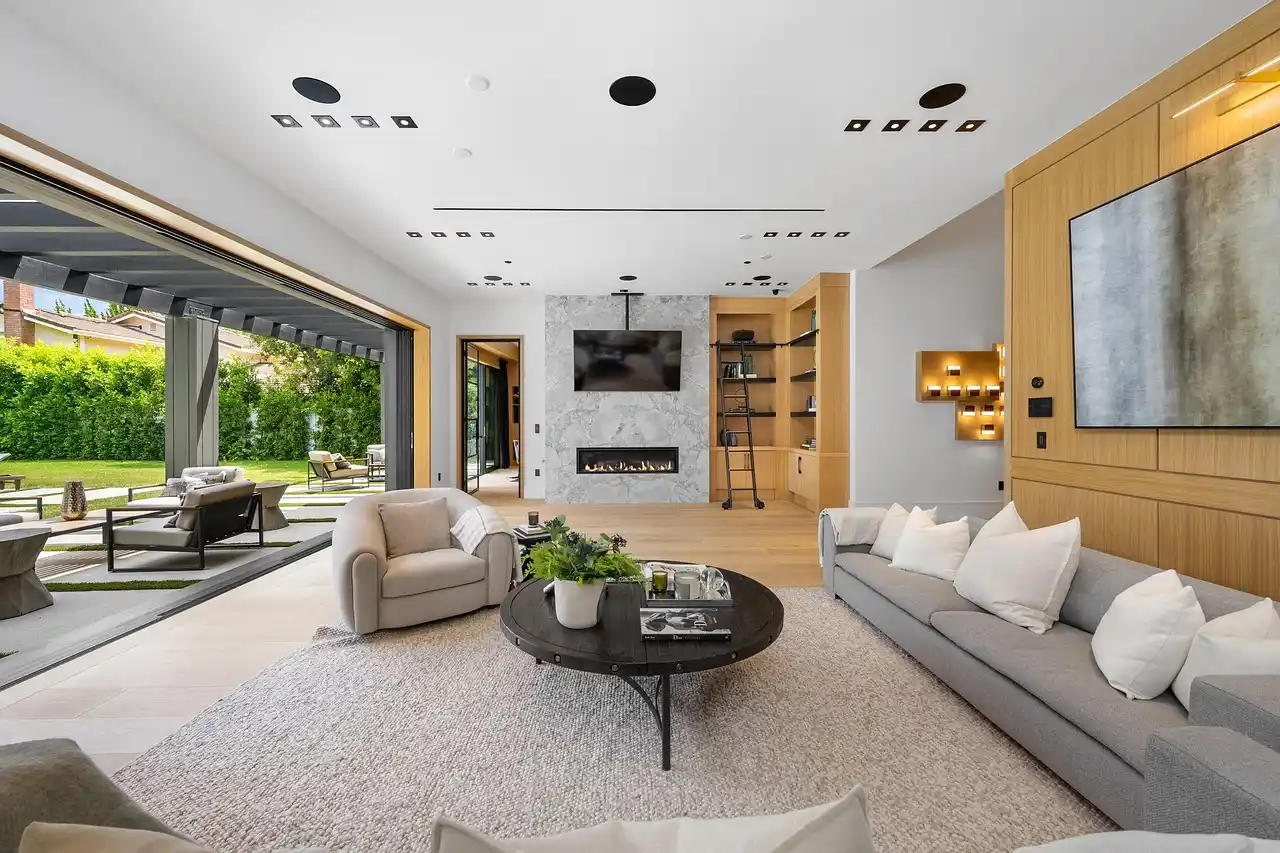
Home window tinting is a practical upgrade that helps homeowners manage heat, glare, and privacy. Modern tint films block harmful UV rays, reduce solar heat gain, and protect interior furnishings without severely darkening your view.
What is home window tinting
Window films are thin laminates applied to the interior surface of glass. They are designed to alter how light and heat pass through windows while maintaining visibility from inside the home.
Benefits of tinting your home windows
Energy efficiency and comfort
Tinted films can significantly reduce cooling loads by reflecting or absorbing infrared energy. In hot climates they lower AC usage, while in cooler seasons they help retain heat near programmable settings. The result is a more even indoor temperature and less hot spots near south facing glass.
UV protection and interior preservation
Most modern films block up to 99 percent of ultraviolet radiation. This slows fading of furniture, flooring, artwork, and textiles and can help preserve the color and integrity of interior finishes.
Privacy and safety
Even during the day, window tinting provides daytime privacy by limiting what can be seen from outside. Some films also add shatter resistance, helping to hold glass together during impact.
Types of window tint for homes
There are several film types, each with distinct performance characteristics. Understanding them helps you balance privacy, light transmission, and cost.
| UV Block | Visible Light Transmittance VLT | Glare Reduction | Durability | Typical Cost | |
|---|---|---|---|---|---|
| Dyed Film | Low to moderate | High | Low to moderate | Moderate | Low |
| Metalized Film | High | Medium | Good | Good | Medium |
| Ceramic Film | Very High | Medium | Excellent | Excellent | High |
| Hybrid Film | High | Medium | Good | Very good | Medium-High |
| Laminated Film | Very High | Medium | Excellent | Very High | High |
How to choose an installer
Selecting a reputable installer is essential for long term performance. Look for a professional with a solid portfolio, clear written estimates, and warranties on both film and installation. Ask about brand options and climate specific recommendations. A local in home consultation helps determine the best film shade for your rooms and the correct mounting method. Verify licensing if required in your area and check customer references for reliability and service quality.
Costs, ROI, and maintenance
Costs vary by film type, window size, and labor. Typical installed costs range from about five to fifteen dollars per square foot, with larger jobs offering potential savings. For a typical home with many windows, total project costs may fall in the range of one thousand five hundred to four thousand dollars. Energy savings depend on climate and usage, but many homeowners see reduced cooling loads and improved comfort within the first season. Maintenance is simple; clean with a soft cloth and mild, ammonia free cleaner to avoid film damage.
Compliance and best practices
Check local regulations regarding tint darkness and reflectivity, especially for street facing or ground level windows. Ensure the installer provides a written warranty, and that the film is from a reputable manufacturer with documented performance data. Proper installation is key to avoiding bubbling, peeling, or improper adhesion.
Summary: Home window tinting offers energy efficiency benefits, UV protection, improved comfort, and enhanced privacy. By choosing the right film type, selecting a qualified installer, understanding costs, and following maintenance and compliance best practices, you can achieve durable, long lasting results that improve your home’s value and livability.