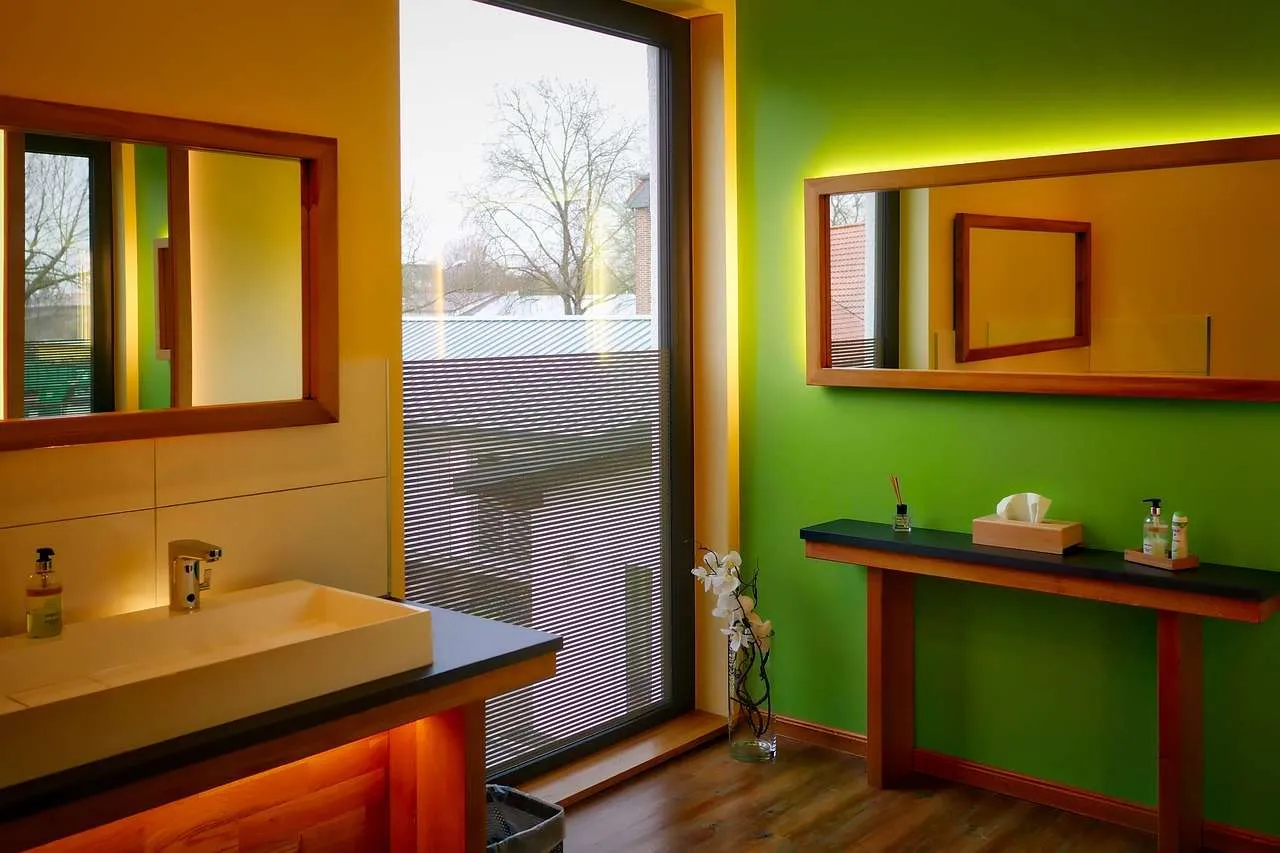
As a seasoned interior designer with over a decade of experience in small-space renovations, I know that a compact bathroom can feel cramped without the right strategies. The goal of these small bathroom ideas is to create a brighter, more functional space that looks larger than its footprint while remaining durable and easy to maintain. Below you’ll find practical guidance on layouts, storage, materials, lighting and fixtures that deliver lasting value.
Why small bathrooms benefit from thoughtful design
Small bathrooms offer a unique design challenge: maximize utility without sacrificing comfort. By prioritizing vertical storage, choosing efficient fixtures, and using light-reflective surfaces, you can transform a tight zone into a calm, spa-like retreat. The best ideas focus on scale, balance, and a cohesive color story that makes every element feel intentional rather than crowded.
Smart layouts and space-saving principles
Layout options
When space is scarce, consider a single-wall layout or a corner shower to free floor area. A linear layout with a wall-hung vanity and a recessed medicine cabinet keeps sightlines clean and makes the room feel effortless. For wall constraints, a pocket door or sliding door can reclaim precious inches that a swinging door would steal from the room.
Remember to maintain at least a 30–32 inch clear pathway in front of fixtures to preserve usability. A shallow, wall-hung vanity paired with a compact sink can visually expand the space while still offering essential storage.
Storage solutions
Storage is the backbone of small bathroom ideas. Use verticality: tall linen cabinets, built-in niches in the shower, and recessed shelving above the toilet create storage without encroaching on floor space. A mirrored medicine cabinet reflects light and serves as a functional storage hub. Corner shelving and over-toilet cabinets provide additional storage without bulk.
- Use recessed niches in the shower for toiletries to avoid freestanding caddies.
- Choose a vanity with internal drawers and soft-close doors to minimize clutter.
- Install magnetic strips or hooks on the inside of cabinet doors for small tools and accessories.
Color, material and surface choices
Light colors and reflective surfaces visually widen a small bathroom. Consider large-format porcelain or ceramic tiles with minimal grout lines to reduce visual clutter. A bright ceiling, coordinated trim, and a consistent material palette create a seamless flow. If you prefer contrast, introduce a single accent color through towels or a decorative vent cover to keep the look cohesive rather than busy.
Lighting and mirrors
Layered lighting is essential in small bathrooms. Combine ambient, task and accent lighting to eliminate shadows. A tall mirror or a mirrored cabinet can double as a light reflector, making the room feel more open. Wet-zone lighting should be discreet and damp-rated, while LED fixtures offer energy efficiency and a long lifespan.
Fixtures and fittings
Compact fixtures designed for small spaces perform better than standard sizes. Wall-mounted or floating vanities, corner sinks, and slim-profile toilets reduce visual bulk. Frameless glass showers give a sense of openness, especially when paired with light, cool-toned finishes. Consider a rain shower head and a handheld wand to maximize comfort without adding bulk.
Budgeting, planning and efficiency
Plan with a phased approach: prioritize structural improvements (door, plumbing layout), then invest in durable finishes (waterproof panels, tiles), followed by decorative touches. A well-chosen light color palette, high-quality hardware, and moisture-resistant materials deliver long-term value. Don’t overlook the importance of ventilation; a quiet exhaust fan reduces moisture-related issues and upkeep costs.
Comparison and quick reference
| Approach | Pros | Cons |
|---|---|---|
| Frameless glass shower | Feels larger, lets light pass through, easy cleaning with proper slope | Requires precise installation, higher upfront cost |
| Floating vanity | Adds air underneath, easier cleaning, visually lighter | Reduced storage; ensure sturdy mount and plumbing access |
| Pocket door | Saves floor space, improves traffic flow | Higher install cost, potential framing challenges |
| Large-format tiles | Fewer grout lines, modern look, durable | Requires skilled installer; higher material cost |
| Recessed niches and built-ins | Declutters surfaces, better moisture resistance | Carpentry work; potential waterproofing considerations |
Implementation checklist
Before you begin, measure accurately, determine your plumbing constraints, and establish a simple color story. Create mood boards with swatches of tile, countertop, and cabinet finishes. If possible, consult a licensed contractor or a professional designer to validate your layout, especially for electrical and plumbing changes. The best small bathroom ideas come from a thoughtful plan, quality materials, and attention to detail that yields a space you enjoy daily.
Practical tips for durability and upkeep
Choose moisture-resistant substrates, sealant with mold resistance, and slip-resistant floor finishes. Use satin or semi-gloss finishes on walls to resist humidity and make cleaning easier. Regularly inspect caulk lines around the tub and shower to prevent leaks. A small space rewards routine maintenance and timely upgrades, which keep the bathroom fresh and functional for years.
Conclusion, with these small bathroom ideas you can create a space that feels larger, functionally robust, and visually cohesive. Focus on thoughtful layout, clever storage, light surfaces, and durable fixtures, and your compact bathroom will deliver comfort and style far beyond its footprint.